
How Deviated Septum Surgery Can Help You Breathe Better
Breathing should be effortless. When one nostril always seems blocked, when sleep leaves you exhausted, when exercise feels harder than it should, the problem may be hiding inside your nose. A deviated septum is one of the most common structural causes of ongoing nasal blockage. For many people, deviated septum surgery is the most effective path to lasting relief.
This post covers what the procedure involves, who it helps, and what recovery looks like. If you have been dealing with chronic congestion or related symptoms and basic treatments have not worked, keep reading.
What Is a Deviated Septum and Why Does It Matter?
The nasal septum is the thin wall of bone and cartilage that divides your nose into two separate passages. Ideally, that wall runs straight down the center, allowing even airflow through both sides. In reality, a deviated nasal septum affects most people to some degree, though many never notice any symptoms.
When the deviation is severe enough to narrow one or both nasal passages, the effects go far beyond simple stuffiness. Blocked airflow can hurt your sleep, your sinuses, your ability to exercise, and even your lung health. Knowing when a deviated septum becomes a real medical problem is the first step toward getting better.
Symptoms That Signal a Problem
A slightly off-center septum rarely causes issues, but a larger deviation can create a pattern of symptoms that tends to worsen over time. Chronic blockage on one side of the nose is the most common sign, but it is rarely the only one. People with an untreated deviated septum often deal with recurring sinus infections, frequent nosebleeds, and headaches. Postnasal drip that never fully goes away is also common.
Sleep problems are another major consequence that often gets blamed on other things. Obstructive sleep apnea in patients with septal deviation occurs at a rate nearly four times higher than in people without the condition. Poor sleep affects energy, mood, focus, and long-term health. Fixing the structural cause matters more than most people realize.
When Basic Treatment Is Not Enough
Many patients try nasal steroid sprays, antihistamines, saline rinses, and decongestants before considering surgery. These treatments can reduce swelling and ease symptoms for a while, but they cannot straighten a crooked septum. When medications only provide short-term relief, and symptoms keep disrupting daily life, deviated septum surgery becomes the logical next step.
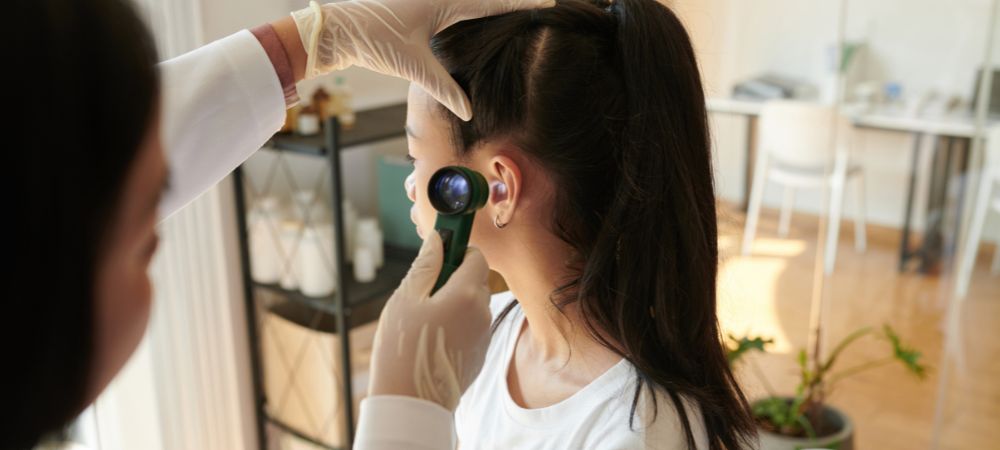
An ENT specialist can look at your nasal passages, find the deviation, and tell you whether surgery makes sense. Symptoms alone do not always reveal the full picture, which is why a proper exam matters before making any decisions.
What Deviated Septum Surgery Actually Involves
Septoplasty, the medical name for deviated septum surgery, is a common outpatient procedure that straightens the nasal septum to improve airflow. Knowing what to expect helps set realistic expectations and takes some of the worry out of the decision.
The procedure works entirely inside the nose and does not change how your nose looks from the outside. If cosmetic changes are also desired, a combined procedure called septorhinoplasty can address both. Standard septoplasty, however, is purely functional.
How the Procedure Works
Septoplasty is performed under general anesthesia and typically takes between 30 and 45 minutes. The surgeon works entirely through the nostrils and makes no cuts on the outside of the nose. The crooked part of the septum, whether bone, cartilage, or both, is repositioned or reshaped to sit closer to the center. In some cases, enlarged turbinates are also reduced to further open the airway. Turbinates are the structures inside the nose that warm and humidify air.
Because everything is done internally, there is usually no visible bruising. Patients go home the same day and begin healing with small internal splints supporting the septum. These are removed at a follow-up visit within the first week.
What Recovery Looks Like
The first few days after surgery bring congestion, mild pressure, and some drainage as swelling builds inside the nose. This stuffiness can feel surprising. Many patients expect to breathe clearly right away. The swelling is normal and gradually improves over the following weeks.
Most patients return to desk work within about a week. Many notice real breathing improvements once the internal splints are removed. Full recovery from septoplasty typically takes one to two months, though the nose may continue to settle for up to six months. Strenuous activity and heavy lifting should be avoided for at least a month to protect the healing septum and lower bleeding risk.
How Deviated Septum Surgery Improves Your Health
The most immediate result of a successful septoplasty is better breathing. The benefits, though, go well beyond that first clear breath. When your nasal airway works the way it should, the effects on your overall health can be real and long-lasting.
Research consistently supports septoplasty for patients with significant nasal blockage. A large randomized controlled trial found that septoplasty outcomes at 12 months strongly favored surgery over medication alone. Patients reported lasting improvement in nasal airflow and quality of life.
Breathing, Sleep, and Sinus Health
Clear nasal airflow improves sleep for many patients almost right away. Mouth breathing decreases, snoring often reduces, and broken sleep caused by a narrowed airway begins to improve. Patients who had been tired despite enough sleep often report feeling truly rested for the first time in years.
Sinus health improves too. A deviated septum can block the drainage pathways that keep sinuses healthy, leading to buildup and repeated infections. When those pathways open up, sinus infections often become far less frequent. Some patients who had needed multiple rounds of antibiotics each year find that number drops significantly after surgery.
Exercise and Lung Function
The connection between nasal breathing and lung health is stronger than most people expect. Septoplasty improvements in pulmonary function have been documented in multiple studies. Patients show better exercise capacity and breathing efficiency after surgery. When the nose works properly, the lungs get filtered, humidified air instead of the dry, unfiltered air that comes through the mouth.
Athletes and active people often feel this improvement most clearly. Exercise that once felt harder because of nasal congestion becomes more manageable. For anyone whose fitness has been quietly held back by a blocked nose, this is one of the most motivating reasons to seek treatment.
Is Deviated Septum Surgery Right for You?
Septoplasty is not necessary for everyone with a deviated septum. Many people have mild deviations that never cause real problems and need no treatment at all. The decision depends on how severe your symptoms are, how much they affect daily life, and whether basic treatments have already been tried without enough relief.
A good candidate for deviated septum surgery generally meets the following criteria:
- Chronic nasal blockage that persists despite medication
- A deviated septum confirmed by a doctor’s exam
- Symptoms that disrupt sleep, limit exercise, or get in the way of daily life
- Recurring sinus infections linked to poor drainage
- Realistic expectations about results and recovery
An ENT specialist with experience in nasal surgery is the right person to determine whether septoplasty will fix the root cause of your symptoms. Several conditions can look similar, so an accurate diagnosis matters before committing to any procedure.
When to See a Specialist
If you have been using over-the-counter products for months or years without real improvement, that alone is a good reason to see a specialist. Frequent sinus infections, ongoing snoring, or regular morning headaches are not things you should just live with. A proper evaluation can confirm whether a deviated septum is behind your symptoms and whether surgery is the right fix.
The sooner the problem is found and treated, the sooner you can stop working around it and start breathing the way you should.
Find Expert Care at the Ear & Sinus Institute
Chronic breathing problems have a way of becoming invisible over time. When you adjust slowly, you forget what normal actually feels like. At the Ear & Sinus Institute, Dr. Marc Dean and Audrey Nelson, PA, specialize exclusively in ear and sinus conditions, including deviated septum surgery and related nasal treatments. They provide thorough evaluations and personalized care to find the true source of your symptoms and offer the most effective solution.
If nasal blockage, recurring sinus infections, or disrupted sleep have become part of your daily life, schedule an appointment today. Find out whether deviated septum surgery can help you breathe the way you were meant to.
Search Blog Posts
Most Recent Keywords
Sinus, Headache, Smell, Breath, Ear, Surgery, Pollen, Sinuplasty, Nose and Sinus, Sleep, Snooring, Procedure,



 Make an Appointment
 Call Us to Schedule an Appointment: (817) 332-4060
Learn About Our Specialties
Discover how we can address your medical concerns, from prevention and diagnosis through treatment and recovery.

Learn More About Marc Dean, MD
Marc Dean, MD is a board certified otolaryngologist, in Fort Worth, Texas, specializing in ear and sinus disease.